
How to Lead Design in the AI Era: My New Book is Here
Stop fearing AI displacement. Learn how design leaders can become essential to organizational intelligence with the AI+ framework for strategic relevance.
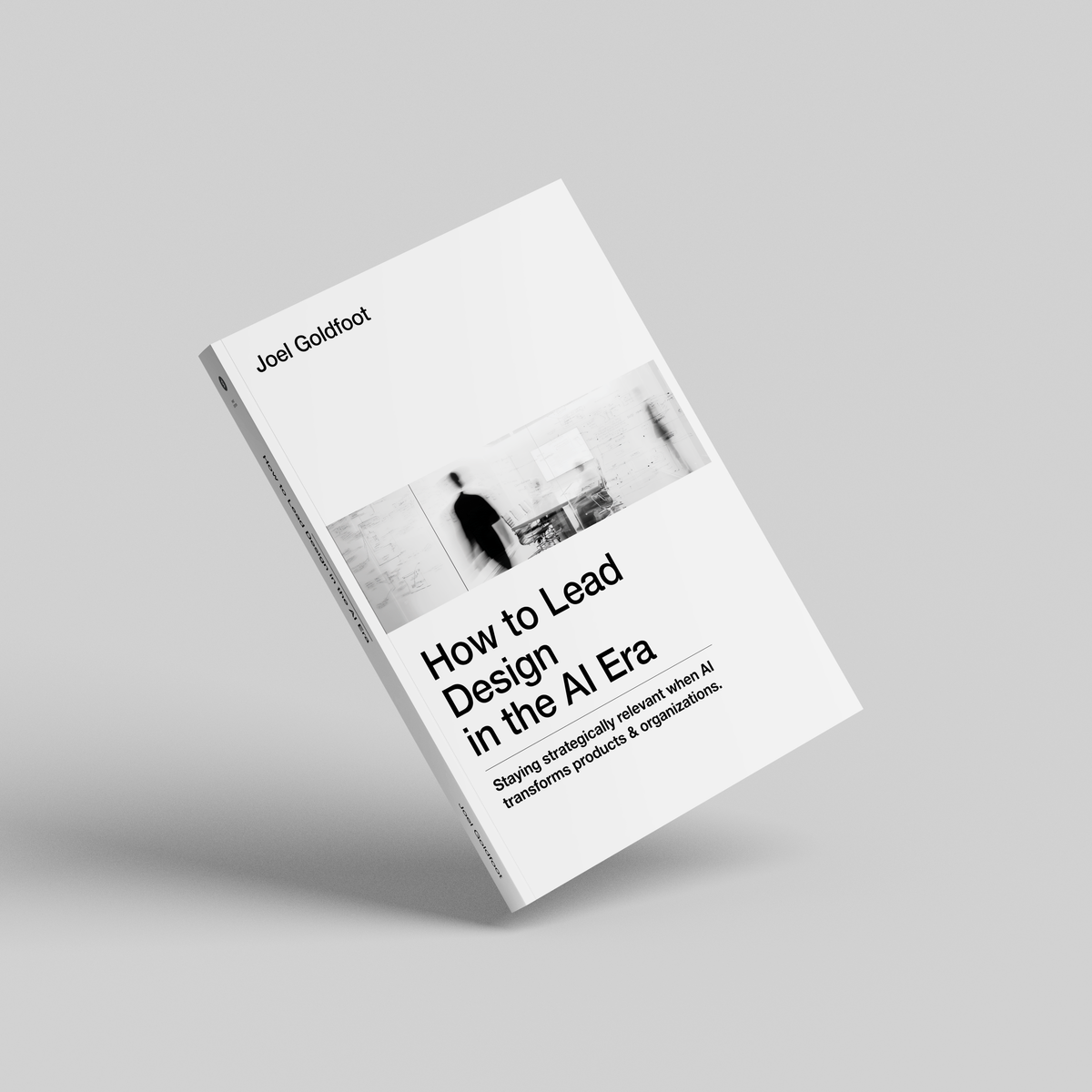
After two years of research, writing, and collaboration with AI systems themselves, I'm excited to announce that my book "How to Lead Design in the AI Era" is now available on Amazon.
This isn't another guide about using AI tools to improve design workflows. This book addresses two much bigger challenges: how design leaders can position themselves as essential to organizational intelligence rather than just interface polish, and how to move beyond the anxiety paralyzing our profession toward a confident vision of design's expanded role in the AI era.
Why This Book Exists
The numbers tell a stark story about organizational AI failure. MIT research shows that 95% of generative AI pilots at companies are failing to achieve measurable business impact. Meanwhile, trust in AI outputs has dropped from 48% to 26% in just one year.
But there's another story the numbers don't capture: the professional anxiety gripping the design community. Design leaders are watching AI capabilities advance rapidly and asking existential questions: "What's our role going to be? How do we prove our value when AI can generate interfaces, copy, and even user insights? Are we becoming obsolete?"
The problem isn't that AI technology is insufficient—it's that most organizations are treating AI as a user interface problem when it's actually a systems design challenge. They're adding AI features without designing the cognitive infrastructure that makes human-AI collaboration genuinely effective. And design leaders, instead of seizing this moment to expand their influence, are wringing their hands about displacement.
The 5% of companies succeeding with AI share something in common: they are thinking about behavior, trust architecture, and organizational transformation alongside their AI capabilities. They understand that intelligence without design is just impressive technology, but intelligence with design becomes the foundation for competitive advantage. More importantly, they recognize that designers who understand systems thinking become more essential, not less, as AI reshapes how organizations think and work.
This book provides the strategic framework to stop worrying about AI replacing design and start leading the transformation that makes design central to organizational intelligence.
What's Inside
The book introduces the AI+ design framework—three interconnected pillars that transform how organizations think with AI:
Behavioral Contracts move beyond traditional UX to design human-AI relationships with clear expectations, boundaries, and collaboration patterns. You'll learn to turn unpredictable AI output into reliable collaborative intelligence.
Trust Architecture treats trust as designed infrastructure that operates reliably at scale. This includes the technical systems, organizational processes, and social dynamics that enable sustainable human-AI collaboration.
Organizational Transformation creates the team structures, measurement systems, and decision-making processes that embed AI+ thinking into institutional capability rather than individual comfort with AI tools.
Each section includes practical frameworks, implementation guides, and real-world examples from enterprise AI development.
A Collaborative Writing Process
The book is a manifestation of the kind of human-AI collaboration it advocates. Throughout development, I worked with various AI systems as research assistants, analytical partners, and editorial collaborators—but they enhanced rather than replaced human thinking.
The AI helped identify gaps in reasoning, suggested structural improvements, and reminded me about proper manuscript formatting. But the core insights, strategic frameworks, and design thinking came from twenty years of leading teams through transformation. The result isn't AI-generated content but human thinking amplified through systematic collaboration with intelligent systems.
For Design Leaders Ready to Lead
This book is for design executives who want to shape how their organizations build intelligent systems rather than just polishing interfaces. It's for design leaders tired of anxiety about professional relevance who need a clear vision of expanded influence. And it's for innovation teams who need frameworks for building trust architecture at scale.
If you're tired of watching design get relegated to the visual layer while AI capabilities reshape competitive advantage—or if you're worried about your team's future value—this book provides the strategic frameworks to change that dynamic and position design leadership as essential to organizational transformation.
The window for establishing AI+ design leadership is narrow but the opportunity is transformational. The organizations that master this shift will shape the next decade of organizational capability. The design leaders who seize this moment will define the profession's future.
Get Your Copy
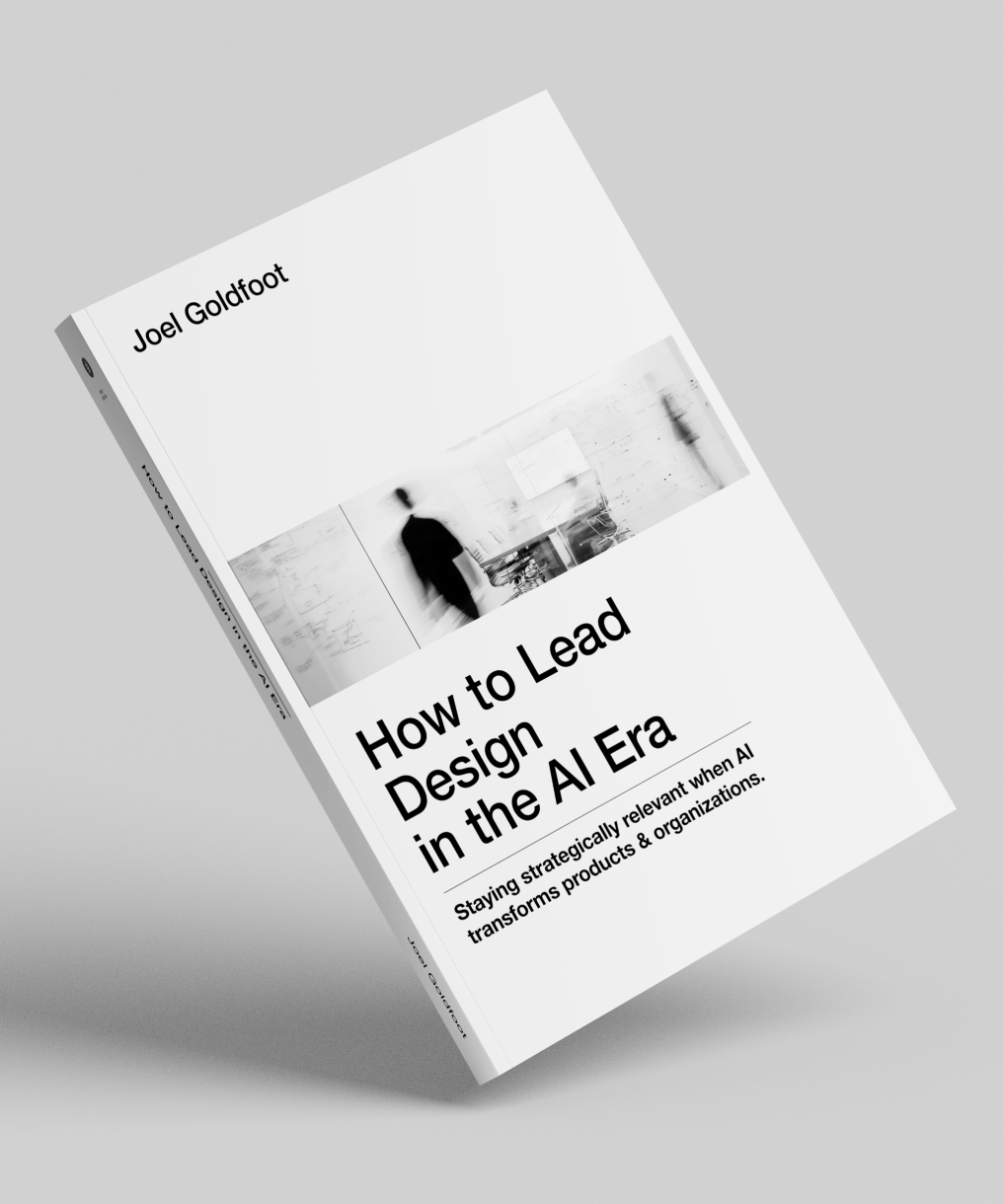
"How to Lead Design in the AI Era" is available now
I'll be sharing more insights from the book and launching practical tools for subscribers at ai-plus.design throughout 2025. The first tool—a Behavioral Contract Builder—launches Q4.
The question isn't whether AI will transform how we work. The question is: will you let that transformation happen to you, or will you lead it?